
Anesthesia for Dogs
Anesthesia for dogs is a controlled, medically induced state of unconsciousness that allows veterinarians to perform surgeries, dental cleanings, and other procedures safely and for the vast majority of healthy dogs, it is considered safe when administered by a trained veterinary team. Understanding what the process actually involves is one of the most effective ways to replace worry with confidence.
What many pet owners don’t realize is that modern veterinary anesthesia is nothing like the vague, scary unknown it can feel like from the waiting room. It’s a carefully managed, multi-step process with continuous monitoring from the moment your dog goes under to the moment they wake up. Whether your dog is scheduled for a routine spay or a more complex procedure, knowing what happens before, during, and after anesthesia puts you in a much stronger position to advocate for your pet and care for them at home. This guide covers all of it.
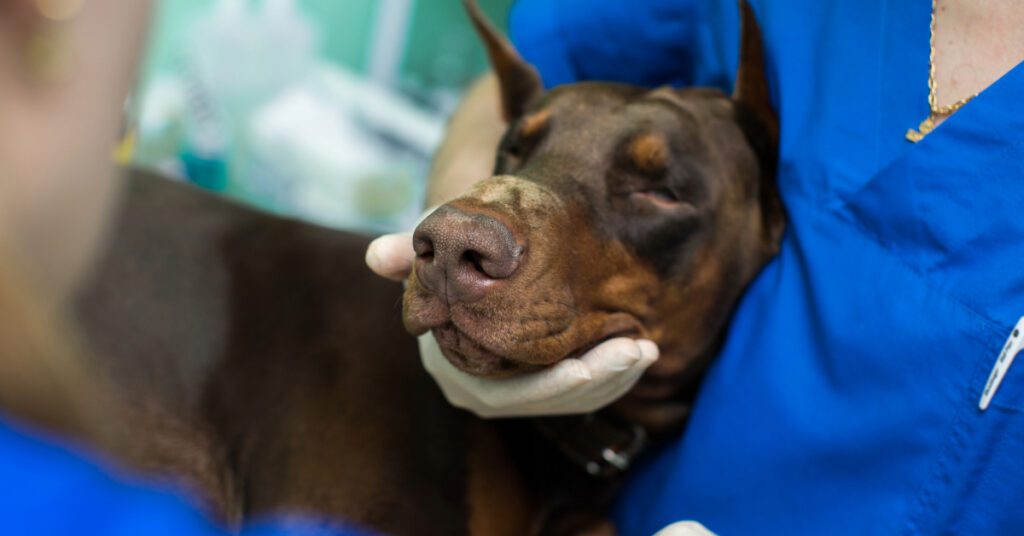
What Is Dog Anesthesia and When Is It Used?
General anesthesia for dogs produces a state in which the patient is unconscious, free of pain, and completely still, allowing veterinarians to perform procedures that would otherwise be impossible or dangerous. It is distinct from sedation, which produces a calmer, sleepy state without full unconsciousness.
Common Procedures That Require Anesthesia in Dogs
Dog anesthesia is used across a wide range of veterinary procedures, including:
- Spay and neuter surgeries
- Dental cleanings and extractions, which require a motionless patient to protect delicate oral tissue
- Mass removal and soft tissue surgeries
- Orthopedic procedures such as fracture repairs and ligament surgeries
- Diagnostic imaging procedures that require the patient to remain completely still, such as certain MRI or CT scans
- Emergency surgeries following trauma or serious illness
Is Dog Anesthesia Safe?
The short answer is yes, for the vast majority of dogs, anesthesia is safe when performed by a trained team following proper protocols. Like any medical procedure, anesthesia carries some degree of risk, and that risk varies depending on the individual patient.
Factors That Influence Anesthesia Risk in Dogs
Several factors affect how a dog responds to anesthesia. Age, breed, body condition, and overall health all play a role. Brachycephalic breeds such as French Bulldogs, Pugs, and Bulldogs face higher anesthesia risk because of their airway anatomy. Senior dogs and dogs with underlying health conditions such as heart disease, kidney disease, liver disease, or diabetes also require additional precautions and monitoring.
Pre-Anesthetic Bloodwork and Testing
Before administering anesthesia, veterinary teams typically recommend pre-anesthetic bloodwork to evaluate kidney and liver function, blood sugar levels, and overall organ health. This testing helps identify any underlying conditions that could affect how a dog processes anesthetic drugs. For older dogs or those with known health concerns, additional diagnostics such as chest X-rays or an electrocardiogram may also be recommended.
How Veterinary Anesthesia for Dogs Works
Veterinary anesthesia is a multi-step process managed by trained professionals throughout the entire procedure. Understanding each phase can help pet owners feel more confident about what their dog will experience.
Pre-Medication
Before the procedure begins, dogs typically receive pre-medications, often called pre-meds, which include a combination of sedatives, pain relievers, and sometimes anti-nausea medications. Pre-meds help calm the patient before induction, reduce the amount of anesthetic agents needed, and provide pain control that begins before the procedure starts. This combination approach improves safety and recovery.
Induction
Induction is the process of bringing a dog from a conscious state into full anesthesia. This is typically achieved with an intravenous injection of a fast-acting anesthetic agent. Once the dog is unconscious, a breathing tube is placed in the airway to deliver oxygen and anesthetic gas and to protect the airway throughout the procedure.
Maintenance and Monitoring
Throughout the procedure, anesthesia is maintained using inhaled anesthetic gas delivered through the breathing tube. A dedicated veterinary technician or anesthetist monitors the dog continuously, tracking heart rate, blood pressure, oxygen levels, respiratory rate, body temperature, and depth of anesthesia. This monitoring allows the team to adjust anesthetic levels in real time and respond immediately to any changes.
Recovery
After the procedure, the anesthetic gas is discontinued and the dog begins to regain consciousness. The breathing tube remains in place until the dog is awake enough to protect their own airway. During the recovery period, dogs are monitored closely for pain, temperature regulation, and any complications. Most dogs are groggy for several hours following anesthesia, which is completely normal.
What to Expect After Dog Anesthesia
Recovery looks different for every dog and depends on the procedure performed, the length of anesthesia, and the individual dog’s health status.
Normal Post-Anesthesia Behavior in Dogs
In the hours following anesthesia, most dogs will be sleepy, unsteady on their feet, and less interested in food. They may shiver as their body temperature normalizes, and some dogs vocalize or seem confused, which is a temporary effect of the anesthetic drugs. These signs typically resolve within 12 to 24 hours as the medications clear the dog’s system.
Post-Anesthesia Care at Home
Your veterinarian will provide specific discharge instructions based on your dog’s procedure. In general, dogs recovering from anesthesia benefit from a quiet environment, limited activity, and close observation during the first 24 hours. Follow all instructions regarding feeding restrictions, activity limitations, incision care, and medication schedules.
Signs That Warrant a Call to Your Vet After Anesthesia
While most dogs recover smoothly from anesthesia, it is important to know which signs should prompt you to contact your veterinary team. Reach out right away if you notice any of the following after your dog’s procedure:
- Prolonged or worsening lethargy beyond 24 hours post-procedure
- Vomiting that continues or is accompanied by abdominal pain
- Pale, white, or bluish gums
- Difficulty breathing, rapid breathing, or persistent coughing
- Swelling, redness, discharge, or opening of an incision site
- Seizures or sudden collapse
Frequently Asked Questions About Anesthesia for Dogs
Pet owners often have specific questions about dog anesthesia. Here are answers to some of the most common ones:
How long does anesthesia last in dogs?
The duration of anesthesia depends on the procedure being performed. A routine dental cleaning may require 30 to 90 minutes of anesthesia, while a complex surgical procedure can take several hours. The anesthetic drugs themselves are largely eliminated from the body within a few hours, though dogs may remain groggy for up to 24 hours afterward.
Why does my dog need to fast before anesthesia?
Dogs are typically required to fast for several hours before anesthesia to reduce the risk of aspiration, which occurs when stomach contents enter the airway during the procedure. Your veterinarian will provide specific fasting instructions based on your dog’s age and health status. Puppies and dogs with certain health conditions may have modified fasting guidelines.
Is anesthesia safe for senior dogs?
Anesthesia in older dogs carries a higher degree of risk, but age alone is not a reason to avoid a necessary procedure. Senior dogs benefit from thorough pre-anesthetic screening, careful drug selection, and enhanced monitoring throughout the procedure. Many older dogs tolerate anesthesia very well when their veterinary team has complete information about their health status.
Your Dog Deserves Expert Anesthesia Care
Understanding anesthesia for dogs takes some of the fear out of the unknown and allows pet owners to be active, informed partners in their dog’s care. The most important thing you can do is choose a veterinary team you trust, ask questions before the procedure, and follow all pre- and post-operative instructions closely. If you are in the Silver Spring, MD area and your dog requires emergency care or a specialty consultation, contact Apex Vets today.