
Keeping Your Pet Safe in Cold Weather
As temperatures drop across the Silver Spring, MD area, pet owners face a familiar question: how cold is too cold for a dog? Cold weather safety for pets is more than just a matter of comfort. It involves understanding how dogs regulate body heat, recognizing signs of cold-weather distress, and protecting your pet from real hazards like frostbite, hypothermia, and the chemicals used on icy sidewalks. Whether you have a breed built for the cold or a short-coated pup who shivers at the first sign of frost, knowing how to keep your dog safe in cold weather can make all the difference. Read on to learn what every pet owner should know before winter walks, and what warning signs should prompt a call to your veterinarian.
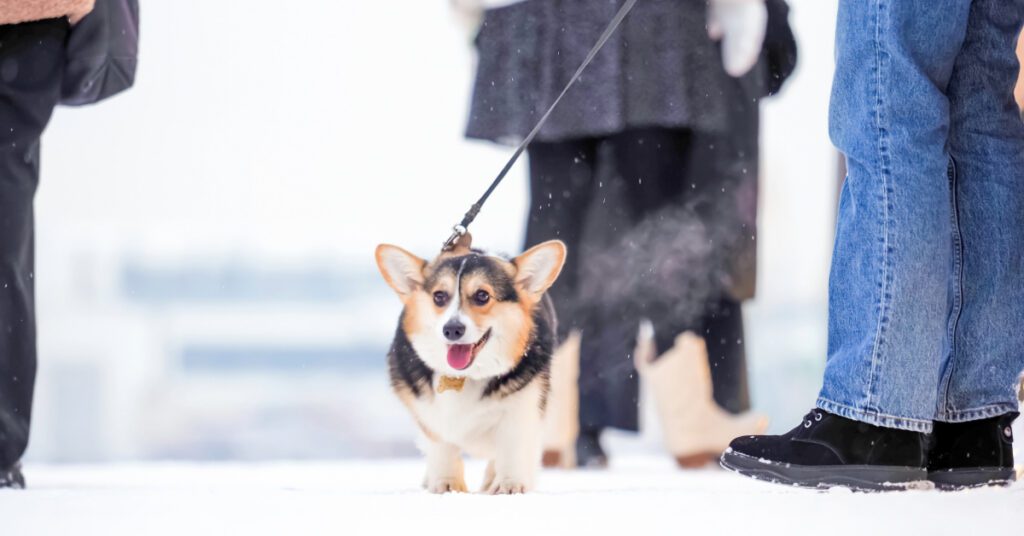
How Cold Is Too Cold for a Dog?
One of the most common questions veterinarians hear during winter months is: how cold is too cold for a dog to be outside? The honest answer is that it depends. Factors like breed, body size, coat thickness, age, and overall health all influence how well a dog tolerates cold temperatures.
Breed and Coat Type Matter
Dogs bred for cold climates, such as Huskies, Malamutes, and Bernese Mountain Dogs, have dense double coats that provide natural insulation. These breeds can tolerate significantly lower temperatures than short-coated or small-breed dogs like Chihuahuas, Greyhounds, or Dachshunds. Brachycephalic breeds, such as Bulldogs and Pugs, also struggle more in the cold because their respiratory systems are already working harder.
Age and Health Status
Puppies and senior dogs are more vulnerable to cold than healthy adult dogs. Older pets may already have conditions like arthritis that cold weather worsens, and they lose body heat more quickly. Dogs with underlying health conditions, including heart disease, kidney disease, or hormonal disorders like hypothyroidism and Cushing’s disease, may also be less equipped to handle cold weather exposure.
A General Cold Weather Temperature Guide for Dogs
While every dog is different, here is a general framework veterinarians use:
- Above 45°F: Generally safe for most dogs, though small or short-coated breeds may benefit from a sweater on walks.
- 32–45°F: Caution recommended for older dogs, puppies, and vulnerable breeds. Limit outdoor time.
- Below 32°F: All dogs face some risk. Keep outdoor exposure short, and watch for signs of cold stress.
- Below 20°F: Potentially dangerous for all dogs. Frostbite and hypothermia become real concerns with extended exposure.
How to Recognize Signs of Hypothermia and Frostbite in Dogs
Cold weather poses two major medical risks to dogs: hypothermia and frostbite. Both conditions are serious and require veterinary attention. Knowing what to look for can help you act quickly.
Signs of Hypothermia in Dogs
Hypothermia occurs when a dog’s core body temperature drops below normal. Early signs include shivering, lethargy, and reluctance to move. As the condition progresses, a dog may become weak, have difficulty walking, or seem disoriented. In severe cases, breathing slows, the gums may turn pale or blue, and the dog can lose consciousness. If your dog shows any of these signs after cold weather exposure, contact a veterinarian immediately.
Signs of Frostbite in Dogs
Frostbite most commonly affects a dog’s ears, tail, paws, and nose. The skin in affected areas may appear pale, gray, or bluish, and the tissue may feel hard or cold to the touch. As frostbitten tissue warms, it can become red, swollen, and painful, and blisters may develop. Never rub or apply direct heat to suspected frostbitten skin. A veterinary professional can assess the extent of tissue damage and provide appropriate care.
Sidewalk Salt Dangers for Pets
Winter isn’t just cold, it’s salty. Ice melt and sidewalk salt are everywhere during the winter months, and they pose a genuine threat to your pet’s health. Apex Vets’ own Dr. Ben Donati, VMD, was interviewed by WDTV News following a major snowstorm and shared his concerns about the risks sidewalk salt poses to dogs. You can watch the full interview here.
What Makes Sidewalk Salt Dangerous?
Standard ice melt products contain chemicals like sodium chloride, calcium chloride, and magnesium chloride. As Dr. Donati explains, salt chunks can become lodged between the pads of a dog’s paws and cause thermal burns. Beyond paw irritation, the risks extend to ingestion. When dogs walk through treated areas and then lick their paws, they can ingest these chemicals. Ingestion can lead to gastrointestinal signs like vomiting and diarrhea, and in larger amounts, electrolyte disturbances involving sodium or potassium that can cause serious systemic illness.
Is Pet-Safe Ice Melt Actually Safe?
Many pet owners turn to products labeled as “pet-safe” ice melt, assuming they pose no risk. Dr. Donati advises caution. As he noted in his WDTV interview, at the end of the day, it is still salt. These products use different chemical formulations and are less likely to cause the same severe thermal burns as traditional rock salt, but they are not completely without risk. Pet owners should not assume pet-safe ice melt is harmless, particularly if their dog is prone to licking their paws.
How to Protect Your Dog from Sidewalk Salt
Dog owners can take practical steps to reduce salt exposure during winter walks:
- Wipe paws thoroughly after every walk, paying attention to the spaces between the pads
- Consider dog booties or paw wax to create a physical barrier between paw pads and treated surfaces
- Avoid routes where heavy salting is common, such as commercial sidewalks and parking areas
- Monitor your dog for signs of paw irritation, including licking, limping, or redness
Cold Weather Dog Care: Practical Tips for Everyday Walks
Beyond temperature awareness and sidewalk salt, there are other cold weather safety practices every dog owner should build into their winter routine. These small adjustments can significantly reduce the risk of cold-related illness or injury.
Dress the Part
Small dogs, short-haired breeds, and senior dogs can benefit from a well-fitted dog coat or sweater during cold weather walks. A good coat covers the neck, chest, and back, and should allow for full range of motion. Wet coats are worse than no coat at all, so keep outerwear dry and swap it out as needed.
Shorten Outdoor Time
Even cold-tolerant dogs benefit from shorter outdoor sessions when temperatures are extreme. This is especially true for puppies and seniors. Multiple shorter walks during the day are preferable to one long outing in bitter cold. Always supervise your dog outside in cold weather rather than leaving them unattended.
Keep Outdoor Dogs Safe
While the American Veterinary Medical Association recommends that pets be kept indoors during cold weather, some dogs spend significant time outdoors. If your dog is outdoors in cold temperatures, they must have access to a dry, insulated, wind-resistant shelter elevated off the ground, with fresh water that is not frozen. A heated water bowl can help ensure they stay hydrated.
Common Cold Weather Questions from Pet Owners
Pet owners ask veterinarians a lot of great questions about dogs in cold weather. Here are a few that come up most often:
Do dogs need more food in the winter?
Dogs that spend a lot of time outdoors in cold weather may burn more calories to maintain body temperature. However, most indoor pets do not need increased calories in winter and can actually be prone to weight gain if activity levels drop. Talk to your veterinarian about your individual dog’s nutritional needs.
Can dogs get sick from cold weather?
Yes. While dogs don’t catch colds the way humans do, cold weather exposure can lead to hypothermia and frostbite, and can exacerbate underlying conditions like arthritis, respiratory illness, and immune system disorders. Dogs that are already unwell are particularly vulnerable.
Is it safe for dogs to sleep outside in winter?
In most cases, dogs should not sleep outside during cold weather, particularly when temperatures drop below 45 degrees Fahrenheit. Even dogs with thick coats can experience dangerous drops in body temperature overnight. Dogs that must be outdoors need proper shelter with insulation and bedding off the cold ground.
When to Call Your Veterinarian About Cold Weather Concerns
Winter brings real risks for pets, and some situations require professional evaluation rather than a wait-and-see approach. Contact a veterinarian promptly if your dog shows any of the following signs after cold weather exposure:
- Uncontrollable shivering or trembling that doesn’t resolve after coming indoors and warming up
- Pale, bluish, or grayish gums or skin, especially on the ears, paws, or tail
- Lethargy, weakness, confusion, or difficulty standing after being in the cold
- Visible paw injury, limping, or persistent licking and chewing of the feet after a walk on salted surfaces
- Vomiting or diarrhea following outdoor time that may have involved exposure to ice melt or salt
If you are in the Silver Spring, MD area and your pet needs emergency care or a specialty consultation, our team at Apex Vets is here to help. Contact us today to speak with one of our veterinary professionals about your dog’s cold weather health concerns.