
Why Does My Dog Pant In The Car?
Dogs pant in the car primarily because of anxiety, motion sickness, or overheating, and in most cases, the behavior is manageable once you identify the cause. For many dogs, the car is an unpredictable environment loaded with unfamiliar sounds, smells, and movement, which is more than enough to trigger the body’s stress response.
What makes car panting so frustrating for pet owners is that it can look the same whether your dog is anxious, nauseated, or just too warm and the fix for each is completely different. This blog breaks down exactly why dogs pant in the car, how to tell the causes apart, when panting is a sign something more serious is going on, and what you can do to help your dog ride more comfortably from the very next trip.
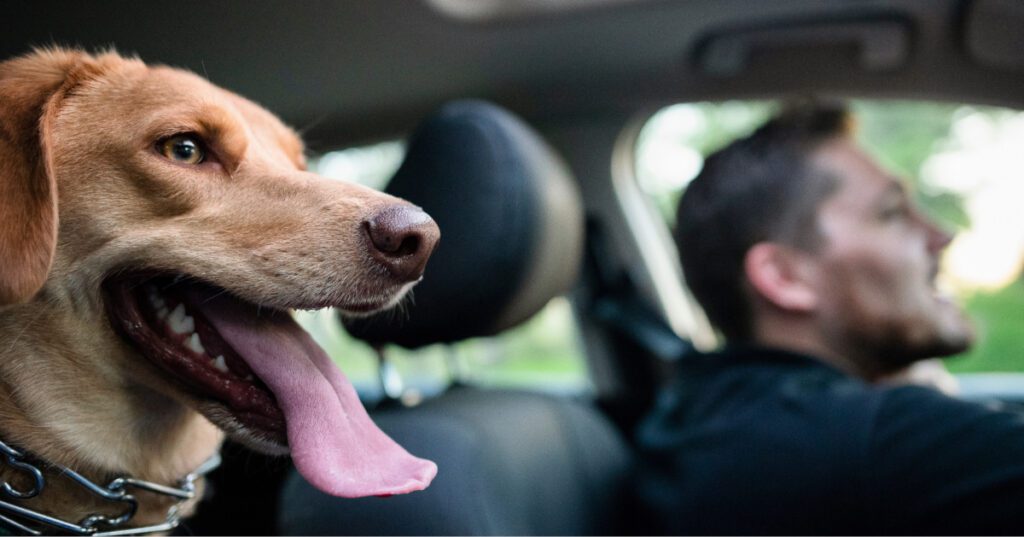
What Are Some Common Reasons Dogs Pant in the Car?
Understanding why your dog pants in the car starts with looking at the behavior in context. Is the panting happening before the car even moves? Does it stop once the ride is over? Does your dog also drool, whine, or seem restless? These details help distinguish between the most likely causes.
Anxiety and Stress
Car anxiety is the most frequent reason dogs pant in the car. Dogs experience stress when placed in unfamiliar or unpredictable situations, and a moving vehicle is both. Signs of car anxiety in dogs include panting, pacing, whining, yawning, lip licking, drooling, and refusing to enter the car. Some dogs even begin panting before the car starts moving, simply at the sight of the car keys or the carrier.
Motion Sickness
Motion sickness is another common reason dogs pant in the car. The vestibular system, which controls balance and spatial orientation, is stimulated by the movement of a vehicle. In puppies and younger dogs, this system is still developing, which is why motion sickness is particularly common in young dogs. In addition to panting, dogs experiencing motion sickness may drool excessively, swallow repeatedly, become very still and quiet, or vomit. If your dog only pants in the car and never anywhere else, motion sickness may be the cause.
Overheating
Dogs pant to cool themselves down. If the car is warm or your dog is in direct sunlight through a window, they may be panting simply because they are too hot. This is especially true for brachycephalic breeds like Bulldogs and Pugs, which have a harder time managing heat. Overheating in a car can progress to heatstroke quickly, which is a life-threatening emergency. Never leave your dog alone in a parked car, and ensure the cabin stays at a comfortable temperature throughout the drive.
Excitement
Not all panting is negative. Some dogs pant in the car because they are genuinely excited, particularly if car rides typically mean fun destinations like the park or a hiking trail. In these cases, the panting is usually accompanied by a relaxed body posture, a wagging tail, and alertness toward the windows. If your dog seems happy rather than distressed, the panting is likely excitement-driven.
How to Tell If Your Dog’s Car Panting Is Anxiety or Something Else
Look at the full picture of your dog’s behavior before, during, and after the ride.
Signs that suggest anxiety or stress:
- Panting begins before the car moves or even before entering the vehicle
- Accompanied by whining, pacing, or attempts to escape the car
- Dog refuses to enter the car or freezes at the door
- Panting resolves quickly once the ride ends
Signs that suggest motion sickness:
- Dog seems fine before the ride starts but worsens after the car begins moving
- Excessive drooling, repeated swallowing, or vomiting
- Dog becomes very still and stiff rather than restless
How to Help a Dog Who Pants in the Car
Once you have a sense of why your dog pants in the car, you can take steps to address the cause. There is no single solution that works for every dog, but the strategies below address the most common triggers.
Gradual Desensitization
For anxiety-driven panting, gradual exposure to the car is one of the most effective long-term strategies. Start by letting your dog sit in the parked car with the engine off, offering praise and treats. Progress to starting the engine without moving, then short drives, then longer trips. This gradual approach helps your dog build a new, positive association with the car over time.
Make the Car Environment More Comfortable
Small adjustments to the car environment can significantly reduce a dog’s anxiety. Consider a crate or dog seat cover that gives your dog a defined, secure space. Keep the temperature cool, reduce noise, and cover windows partially if visual stimulation seems to increase panting. Bringing a familiar blanket or toy from home can also help your dog feel more at ease.
Timing Meals Before Travel
If your dog is prone to motion sickness, avoid feeding a large meal immediately before travel. A light meal several hours before the trip can reduce nausea. Ask your veterinarian what feeding schedule makes sense for your dog’s specific situation.
Consult Your Veterinarian
For dogs with significant anxiety or confirmed motion sickness, your primary veterinarian can discuss whether medication or other interventions are appropriate. There are veterinary-approved options that can help dogs travel more comfortably. Self-medicating your dog with human medications is never safe, so always consult your vet before trying anything new.
When Dog Panting in the Car Signals a Medical Concern
In most cases, a dog panting in the car is not a medical emergency. However, there are situations where panting during or after a car ride warrants a veterinary evaluation. Contact your veterinarian or an emergency clinic if you notice any of the following:
- Panting that is extremely rapid, loud, or labored and does not improve after the ride
- Pale, blue, or purple gums, which can indicate oxygen deprivation or shock
- Collapse, weakness, or unresponsiveness during or immediately after travel
- Sudden onset of excessive panting in a dog who previously traveled without issue
Sudden changes in behavior during car travel can occasionally indicate an underlying health issue such as pain, neurological changes, or cardiovascular disease. Your veterinarian can help rule out medical causes and create a plan to help your dog travel more comfortably.
Helping Your Dog Travel With Confidence
A dog who pants in the car is communicating something. Whether the message is “I’m anxious,” “I feel sick,” or “I’m too hot,” the good news is that most of the underlying causes are manageable with the right approach. With patience, gradual exposure, and guidance from your veterinarian, many dogs improve significantly over time. If you are in the Silver Spring, MD area and you need emergency care or a specialty consultation, contact Apex Vets today.