
Uncategorized
Anesthesia for Dogs
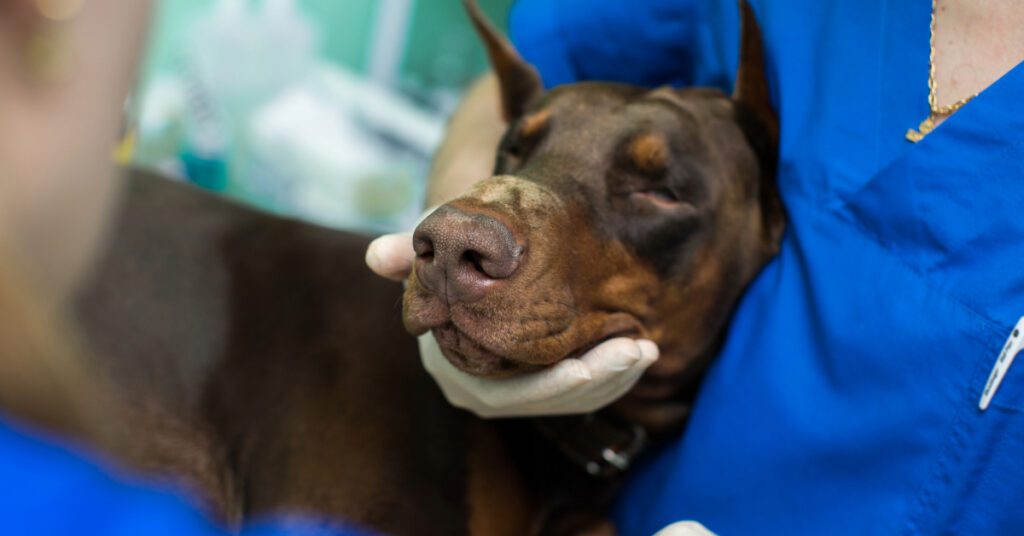
Anesthesia for dogs is a controlled, medically induced state of unconsciousness that allows veterinarians to perform surgeries, dental cleanings, and other procedures safely and for the vast majority of healthy dogs, it is considered safe when administered by a trained veterinary team. Understanding what the process actually involves is one of the most effective ways…
Read MoreWhy Does My Dog Pant In The Car?

Dogs pant in the car primarily because of anxiety, motion sickness, or overheating, and in most cases, the behavior is manageable once you identify the cause. For many dogs, the car is an unpredictable environment loaded with unfamiliar sounds, smells, and movement, which is more than enough to trigger the body’s stress response. What makes…
Read MoreHow to Road Trip With a Cat

To road trip with a cat successfully, start preparing well before departure day. Choose a secure, ventilated carrier your cat is already comfortable in, limit food before travel to reduce motion sickness, and bring familiar scents to keep anxiety low in the car. Cats can absolutely travel by car, and with the right setup, many…
Read MoreKeeping Your Pet Safe in Cold Weather

As temperatures drop across the Silver Spring, MD area, pet owners face a familiar question: how cold is too cold for a dog? Cold weather safety for pets is more than just a matter of comfort. It involves understanding how dogs regulate body heat, recognizing signs of cold-weather distress, and protecting your pet from real…
Read MoreCat Ate Tinsel – Is This an Emergency?

Yes, when a cat eats tinsel, it should be treated as a potential emergency. Tinsel is a type of linear foreign material that can cause serious internal injury if swallowed. Even small amounts may lead to intestinal blockage, tissue damage, or life‑threatening complications. Because cats often swallow tinsel while grooming or playing, pet owners may…
Read MoreDog Cut Paw Pad: Next Steps

A dog cut paw pad is a common but serious injury where the thick, pigmented skin on the bottom of a dog’s foot is torn, punctured, or sliced, often resulting in significant bleeding and discomfort. Because paw pads are highly vascular and under constant pressure during movement, a paw pad injury requires immediate attention to…
Read MoreWhen Should I Take My Dog to the Emergency Vet?

You should seek emergency care any time your dog shows sudden, severe, or rapidly worsening symptoms that could threaten their life, comfort, or long-term health. A true dog emergency often involves trouble breathing, collapse, uncontrolled bleeding, seizures, serious trauma, or intense pain. When you feel unsure, acting quickly and contacting an emergency veterinary team can…
Read MoreCan Dogs Get Arthritis?

Yes, dogs can get arthritis. Pet owners are often surprised to learn how common arthritis in dogs actually is. Arthritis develops when joint cartilage breaks down over time, leading to inflammation, stiffness, and reduced mobility. A dog with arthritis may move more slowly, hesitate to jump, or show subtle changes in behavior long before obvious…
Read MoreIVDD in Dogs
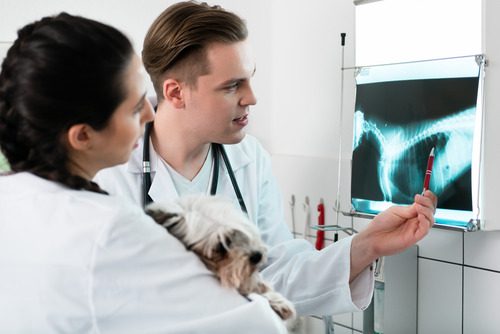
Intervertebral disc disease (IVDD) in dogs is a condition that often affects a pet’s mobility, quality of life, and overall comfort. This spinal disorder develops when the cushioning discs between the vertebrae begin to degenerate, bulge, or rupture, putting pressure on the spinal cord. While some dogs experience only mild discomfort, others may suddenly lose…
Read MoreYour Dog Ate Tylenol: Is This an Emergency?
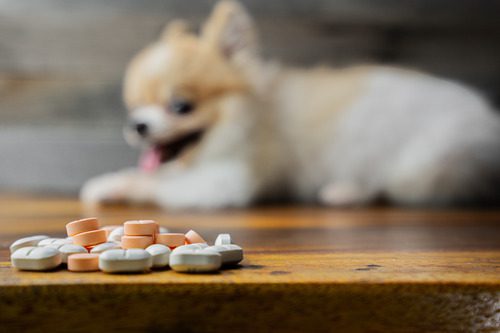
If you just discovered that your dog ate Tylenol, you’re likely feeling scared, overwhelmed, and unsure of what to do next. Acetaminophen, which is the active ingredient in Tylenol, can be extremely dangerous to dogs, even in small amounts. This isn’t a situation to monitor passively or wait out. Understanding why Tylenol is toxic to…
Read More