
Constipation in Cats
Constipation in cats is a common condition that can impact your pet’s comfort and health. While occasional difficulty passing stool may not raise immediate concerns, persistent constipation can indicate an underlying issue that needs veterinary attention. If your cat is straining in the litter box, passing stool less frequently, or producing hard, dry feces, it’s worth learning what might be going on and when to seek help. If you’re in Silver Spring, MD and require emergency care or a specialty consultation, contact Apex Vets today.
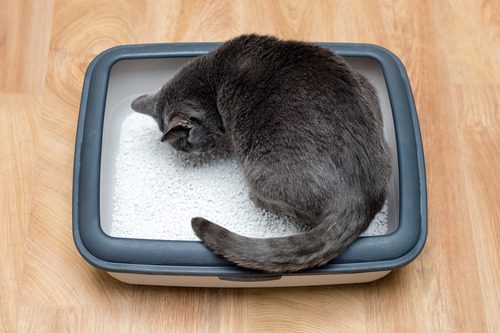
What Is Constipation in Cats?
Constipation in cats occurs when stool moves too slowly through the colon, becomes too dry, and becomes difficult to pass. Healthy cats usually have one bowel movement per day. When stool accumulates for more than 48 hours, it can harden, stretch the colon, and make defecation painful or impossible. This can lead to a more serious condition called obstipation, which may require more intensive treatment.
Some cats may only experience temporary constipation. Others may deal with chronic constipation or megacolon, a condition in which the colon becomes enlarged and loses its ability to contract properly. Knowing what to look for early can help you support your cat before it becomes a bigger issue.
Signs of Constipation in Cats
Cats often hide signs of discomfort, so constipation may not always be immediately obvious. Pet owners may notice changes in litter box habits or behavior that point to something being off.
Common Symptoms to Watch For
- Infrequent bowel movements (less than once every 24–36 hours)
- Straining or crying in the litter box
- Hard, dry, or pellet-like stool
- Small amounts of liquid stool or mucus (can mimic diarrhea)
- Lethargy or reduced appetite
- Hiding, restlessness, or signs of abdominal discomfort
- Vomiting
If you notice any of these signs, especially over multiple days, contact your veterinarian for guidance.
Causes of Constipation in Cats
Constipation in cats can result from a variety of factors. Understanding these causes can help you work with your veterinarian to prevent future issues.
Dietary and lifestyle factors
Dehydration is one of the most common causes of constipation in cats. Cats that eat mostly dry food may not drink enough water to stay hydrated. Lack of dietary fiber can also contribute to sluggish digestion.
Obesity and inactivity may also play a role, as movement helps stimulate normal bowel function. Cats that live exclusively indoors or in small spaces may be more prone to a sedentary lifestyle, especially if they’re not encouraged to play.
Medical conditions
Constipation can also be linked to medical issues such as:
- Chronic kidney disease (due to dehydration)
- Painful conditions like arthritis or spinal problems
- Neurological disorders affecting colon function
- Obstructions caused by hairballs, ingested materials, or tumors
- Side effects of medications (e.g., opioids or diuretics)
Cats with a history of trauma or pelvic injury may also experience recurring constipation if the colon or pelvic canal is narrowed.
Diagnosing Constipation in Cats
Your veterinarian will typically begin with a physical exam and review of your cat’s history and symptoms. They may palpate your cat’s abdomen to feel for retained stool or abdominal discomfort.
In many cases, X-rays help confirm the presence and extent of constipation. Bloodwork may be recommended to identify dehydration, kidney function, or underlying systemic illness. In more complicated cases, your vet may also perform an ultrasound or additional imaging to rule out obstructions or tumors. A thorough diagnosis allows your veterinarian to determine whether the constipation is acute and treatable or part of a recurring pattern that needs long-term management.
How Is Constipation in Cats Treated?
The treatment for constipation in cats depends on its severity, the underlying cause, and how long your cat has gone without passing stool.
Mild cases
For less severe cases, your veterinarian may recommend hydration support and dietary changes. This could include feeding a moisture-rich diet (like canned food) or adding more fiber to help soften stool and improve motility. Your vet might also suggest a stool softener or gentle laxative. These should only be used under veterinary guidance.
Moderate to severe cases
Cats with significant fecal buildup may require more intensive care, such as:
- Fluid therapy to correct dehydration
- Manual removal of stool (under sedation)
- Enemas administered by your veterinarian
In cases of obstipation or megacolon, your cat may need long-term management, including medications that stimulate the colon and special diets designed for digestive health. Surgical options like a subtotal colectomy may be considered in chronic, unresponsive cases.
Managing underlying causes
If constipation is related to arthritis, neurological problems, or another chronic illness, your vet may recommend pain management or additional therapies to improve your cat’s overall comfort and mobility. Regular follow-up care is essential to make sure the treatment plan remains effective.
Can Constipation in Cats Become an Emergency?
Yes, constipation in cats can develop into a medical emergency, especially if it progresses to obstipation or megacolon. A severely distended colon can cause significant pain, reduce appetite, and lead to systemic illness. If left untreated, this can become life-threatening.
Seek immediate veterinary care if your cat:
- Hasn’t had a bowel movement in more than 48–72 hours
- Is crying in pain while straining
- Is vomiting repeatedly
- Refuses food and water
- Seems weak, bloated, or lethargic
If you’re in Silver Spring, MD and your cat needs urgent care or a specialist consultation, contact Apex Vets today.
How to Help Support Your Cat’s Digestive Health
Prevention plays a big role in reducing the risk of constipation in cats. While every cat is different, there are simple steps you can take to support their digestive system over time.
Encourage hydration
Offer fresh water at all times and consider using a cat water fountain, which can encourage drinking. Feeding a wet food diet or adding water to meals can also increase fluid intake.
Maintain a healthy diet
Some cats benefit from diets that include moderate amounts of fiber. Others may require veterinary-prescribed formulas designed for gastrointestinal health. Your vet can help you determine the best option for your cat’s needs.
Promote activity
Daily play helps keep your cat’s body and digestive system active. Incorporate toys, climbing shelves, and interactive games into their routine to support movement and weight management.
Stay on top of grooming
Especially for long-haired cats, frequent grooming reduces the risk of hairballs and fur ingestion, which can contribute to constipation or intestinal blockages.
Monitor litter box habits
Consistently scooping the litter box gives you valuable insight into your cat’s bowel movements. If you notice a change in frequency, stool consistency, or signs of straining, contact your veterinarian promptly.
When to Call for Help
Constipation in cats can range from mild and occasional to severe and chronic. Whether it’s a one-time issue or something you’ve noticed happening more frequently, early intervention matters. Your veterinarian is your best resource for identifying the cause and developing an effective plan for your cat’s comfort and long-term health.
If you’re located in Silver Spring, MD and your cat is experiencing constipation or another urgent health issue, Apex Vets can provide specialty and emergency veterinary care tailored to your pet’s needs. Contact us today so we can ensure your pet receives prompt care when they need it most.